
Sub total: 0.00 €


How to Calm a Child During a Tantrum – Effective Techniques for Parents
Tantrums are a completely normal part of childhood. Almost every parent has faced moments when their child suddenly starts crying, screaming, or reacting strongly to something that seems small or insignificant. During these situations, parents often feel overwhelmed and unsure how to respond.
The truth is that during a tantrum, children are not trying to manipulate or challenge their parents. They simply cannot regulate their emotions yet. Young children are still learning how to understand and manage their feelings. When emotions build up — from tiredness, frustration, or overstimulation — a tantrum becomes their natural response.
That’s why the most important goal in these moments is not to stop the behavior immediately, but to help the child return to a calm and balanced state.
Why Do Children Have Tantrums?
Tantrums often happen when emotions become overwhelming. A child may be tired, hungry, overstimulated, or simply unable to express what they are feeling.
Sometimes the reason is very simple — things didn’t go the way the child expected. Other times, children may need more attention, comfort, or help adapting to a new situation.
It’s important to remember that tantrums are signals. They show that the child needs support, understanding, and calm guidance.
If tantrums happen frequently, they may also be connected to emotional stress or early signs of frustration. You can learn more in our related article about https://littlefingers.bg/blog/agresivno-povedenie-pri-detsa-kak-da-go-razpoznaem-i-kak-igrata-pomaga, aggressive behavior in children,
where we explore early signs and causes in more detail.
How to Respond During a Tantrum
The first and most important step is for parents to stay calm. This is not always easy, but children sense adult emotions very quickly. If a parent reacts with frustration or raises their voice, the situation often escalates.
When parents remain calm, they model emotional regulation. Sometimes, simply being present and calm is enough to help a child gradually settle down.
It is also important not to over-explain during the tantrum. At that moment, children struggle to process information. It's better to wait until they calm down and then talk gently about what happened.
How Play Helps Calm Children Faster
One of the most effective ways to help a child calm down is through play. When attention shifts to something engaging and calming, emotions gradually soften.
Activities that involve hands and focus are especially helpful. They naturally redirect energy and help children regulate their emotions.
Busy Boards – Focus and Calmness
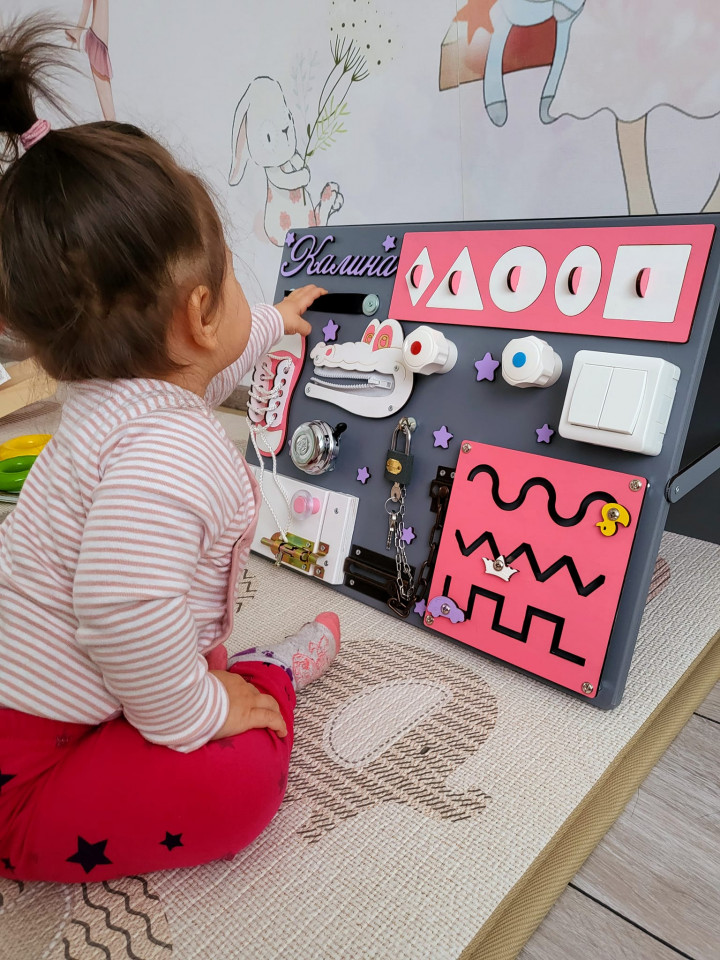
Toys like
https://littlefingers.bg/produkti/bizibord,
are designed specifically for this purpose. Different elements such as switches, locks, buttons, and moving parts capture children's attention and redirect their energy.
As children open, close, turn, and explore, they gradually become more focused. This focus has a calming effect. Repetitive movements create a sense of safety and control, helping children relax.
Instead of continuing to cry or become more frustrated, children begin exploring and calming themselves naturally. Over time, this builds emotional regulation skills.
Puzzles – Patience and Emotional Balance
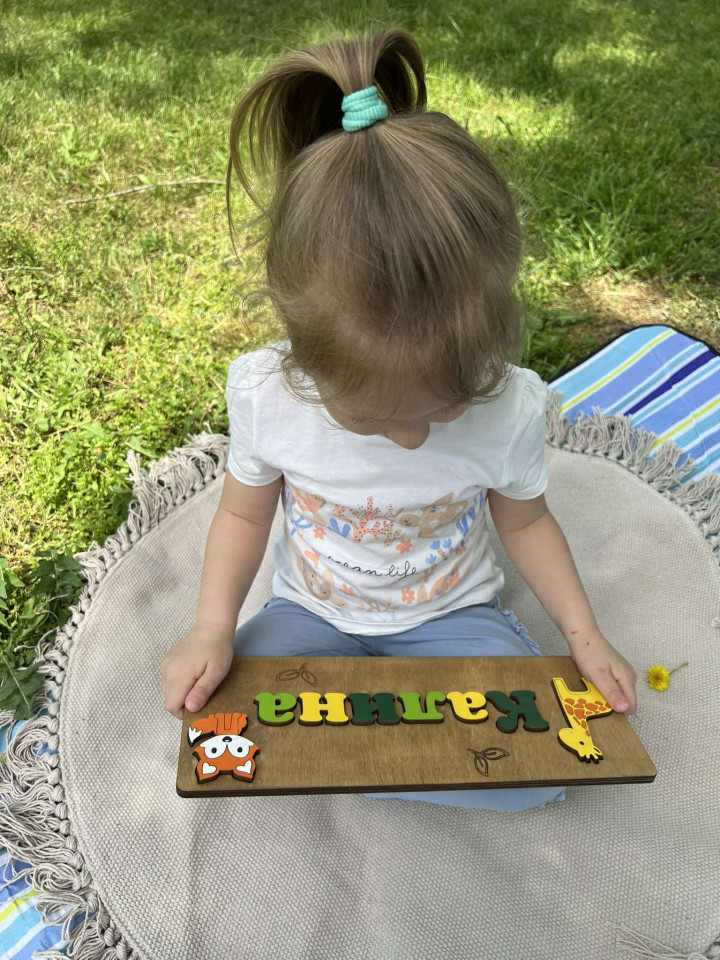
Similarly,
https://littlefingers.bg/produkti/rachno-izraboteni-podaratsi/personalizirani-darveni-tabelki-pazel,
offer another calming and developmental activity. While solving puzzles, children focus on a task, which helps reduce emotional tension.
Puzzles teach patience, concentration, and persistence. Small achievements during play boost confidence, and confident children are less likely to react aggressively or emotionally.
Small Daily Habits That Make a Big Difference
Regular calm playtime can significantly reduce tantrums. When children have opportunities for independent play, they learn to regulate their emotions naturally.
Creating a calm home environment also helps. When children feel secure, they are less likely to react with strong emotional outbursts.
Sometimes even 10–15 minutes of focused play can make a big difference in a child’s mood and behavior.
Tantrums are a natural part of childhood development. Instead of worrying, parents can support children in learning how to manage their emotions.
Busy boards and puzzles give children the opportunity to focus, calm down, and build emotional balance. With patience, understanding, and the right activities, children develop important skills that will benefit them for life.