Sub total: 0.00 €


What is aggressive behavior in children?
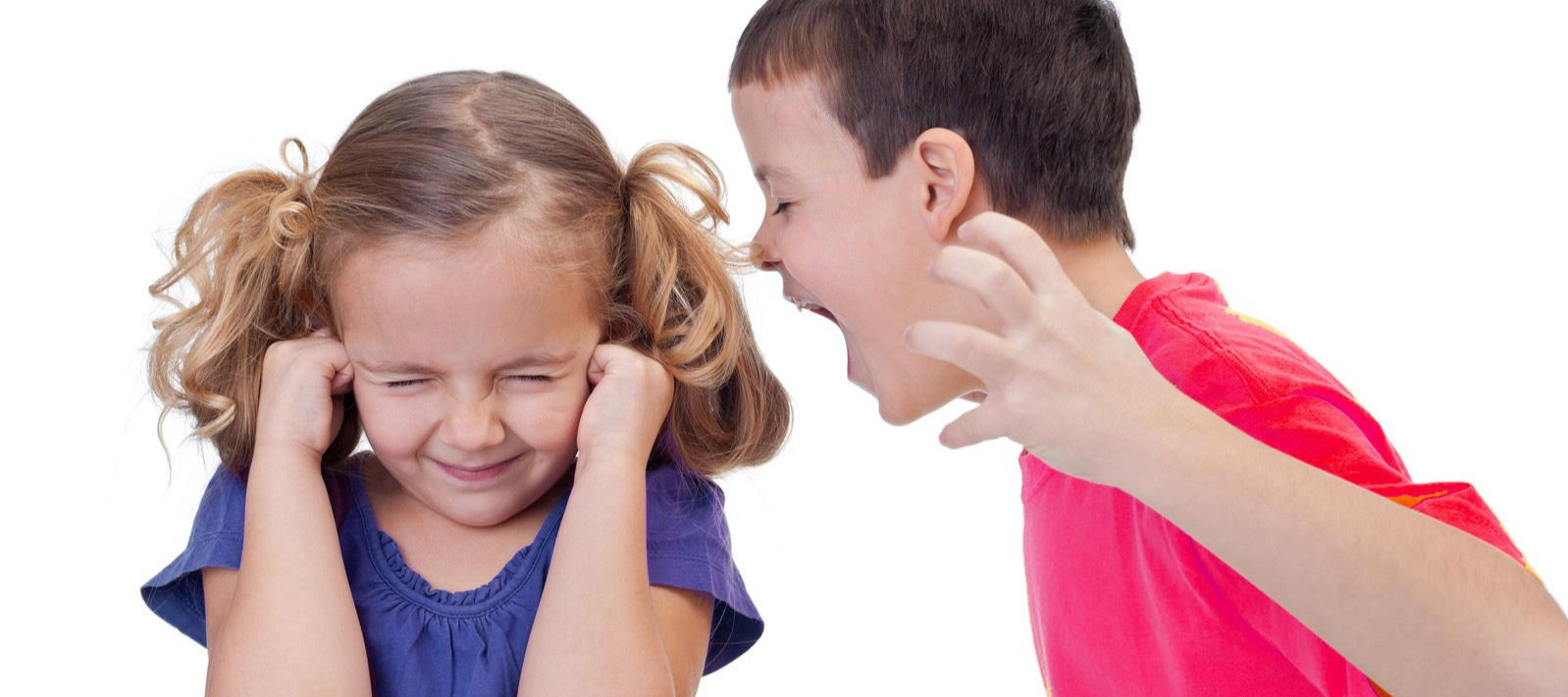
Aggressive behavior in children can manifest itself in different ways. Sometimes it is physical – such as hitting, pushing or throwing objects. Other times it is verbal – shouting, insults or harsh words. There is also a more subtle form, in which the child excludes others from play or reacts passive-aggressively. It is important to distinguish between a momentary reaction and behavior that is repeated often. In many cases, aggression is not the problem in itself, but a signal. It shows that the child is experiencing difficulty – tension, misunderstood emotions or a need for attention.
The first signals that we should not ignore
Sometimes aggression appears gradually. The child begins to get angry more often, has difficulty playing with other children or reacts more strongly than expected in ordinary situations. You may notice that he often explodes for no clear reason, does not follow rules or deliberately breaks objects. Some children experience a lack of empathy or sudden mood swings. These signals do not mean that something is “broken,” but that the child needs support and direction.
Why is play so important?
Children do not learn through explanations, but through experience. Play is their way of understanding the world and themselves. When a child is tense or angry, they need something to “return” them to balance. This is where the right activities make a huge difference.
How the Busyboard helps with aggression
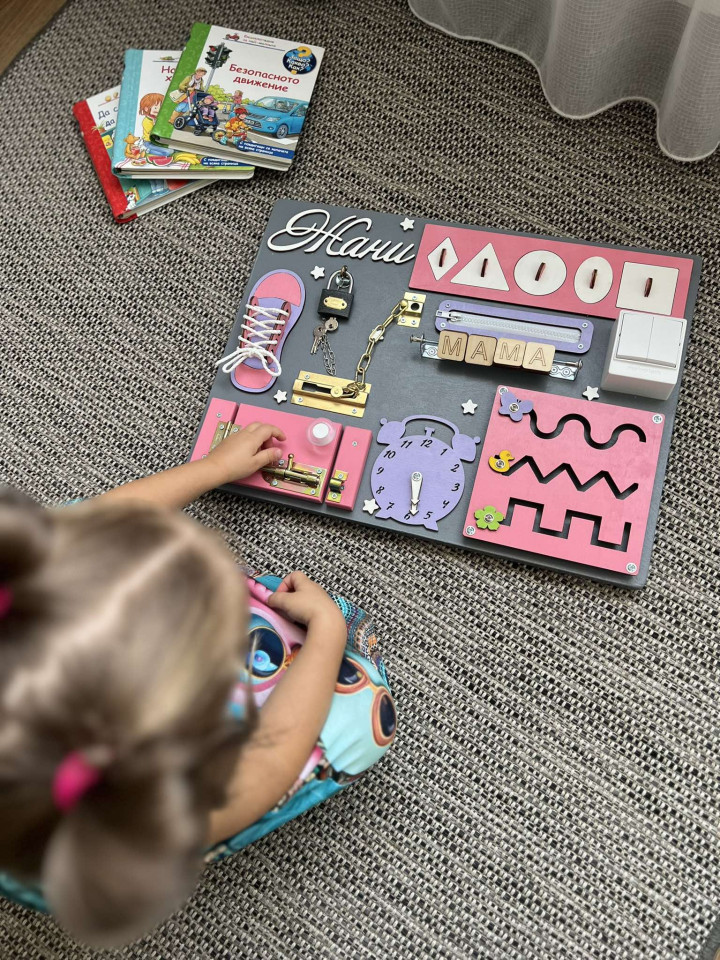
The Busyboard engages attention in a natural way. When the child starts playing, they concentrate on small actions – opening, closing, rotating and pressing. This concentration has a calming effect. The hands are busy, and the mind is gradually freed from tension. Repetitive movements create a sense of security and control. If you look at our
https://littlefingers.bg/produkti/bizibord , you will see that they are created precisely for this purpose – to engage attention and help the child calm down through play.
Puzzles – patience and inner balance
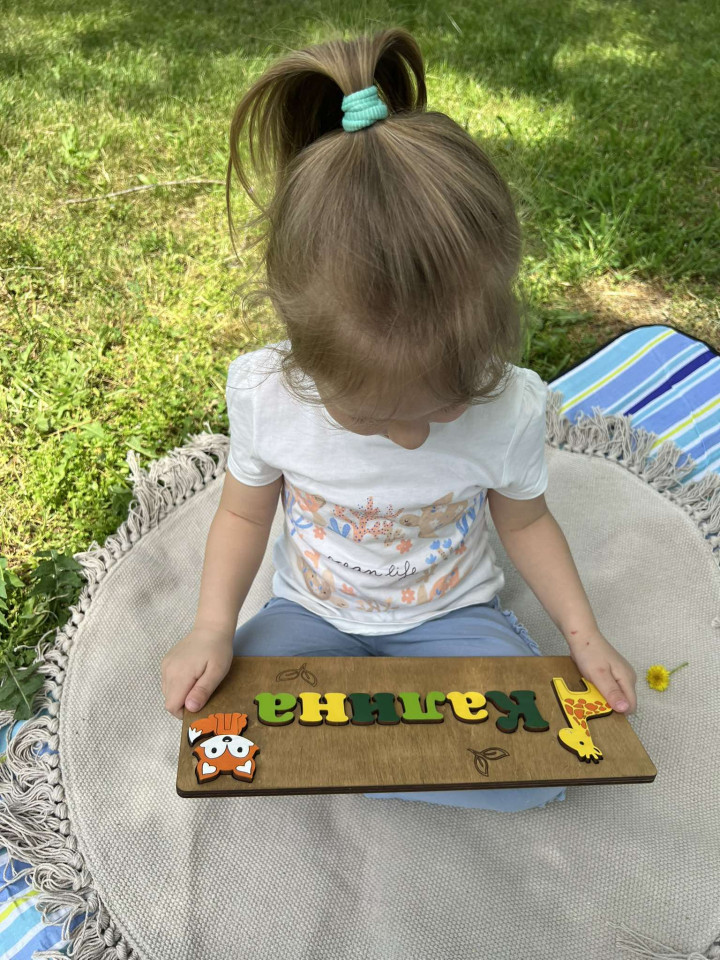
Puzzles complement this process in a very natural way. They require attention and patience, but they also bring satisfaction. While arranging, the child learns to think, try again and not give up right away. This reduces impulsiveness and helps to better control emotions. You can also look at our https://littlefingers.bg/produkti/rachno-izraboteni-podaratsi/personalizirani-darveni-tabelki-pazel , which are designed to develop concentration and patience from an early age.
Small steps with great importance
In addition to play, the child also needs a calm environment, clear boundaries and a good example from the parents. When they feel understood and secure, they can more easily deal with difficult emotions. But it is the daily activities that most often help in practice. They give the child a way to release tension in a safe and useful way. Aggressive behavior in children is not something that should simply be stopped. It must be understood. When we give the child the opportunity to concentrate, calm down and express themselves through play, we help them build skills for life. Busyboard and puzzles are one of the easiest and most natural ways to support this process. If you are looking for a way to help your child be calmer and more confident, at Little Fingers you will find handmade busyboards and puzzles, created with care for child development. They are not just toys, but an assistant in building concentration, patience and emotional balance.